S · 01
Soft Landscaping
We assess your ground and compose planting in layers — canopy, shrub, groundcover — chosen for India's light and soil.
View service → Layered planting
We shape the soft landscapes of India's palaces, resorts and heritage hotels — from measured drawing to living garden.
We shape the soft landscapes of India — from measured drawing to living garden, and every season after.

It is composition. Every axis set, every canopy chosen, every water line placed is a decision that shapes how a garden ages.

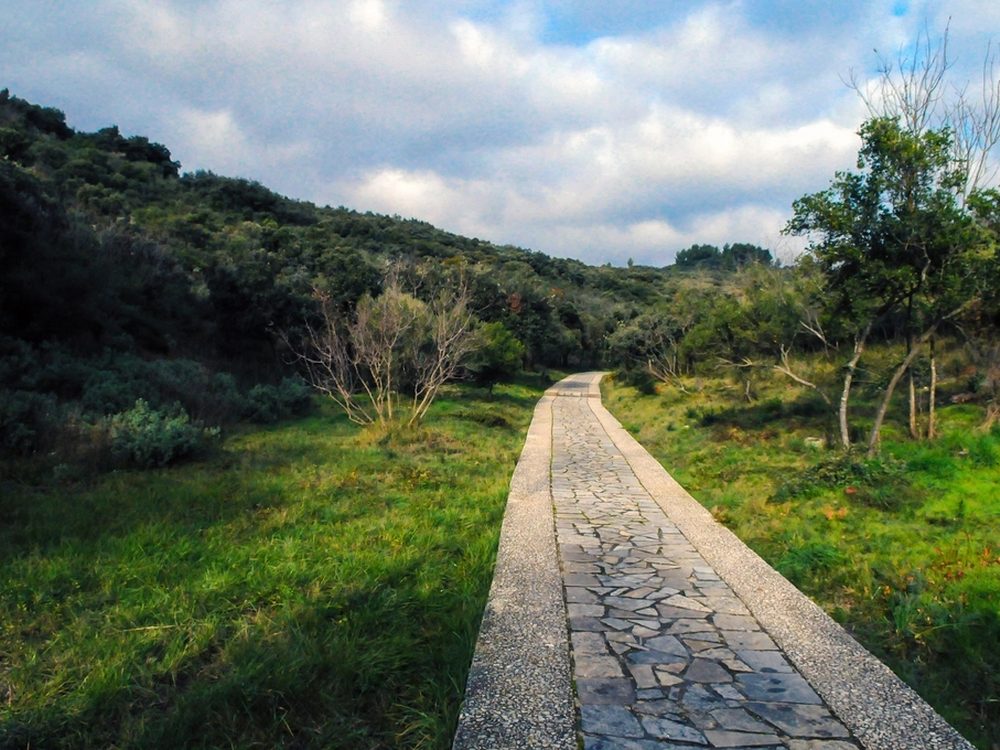
Shade grown, not built. The structure disappears as the planting takes it, and the walk becomes the arrival.
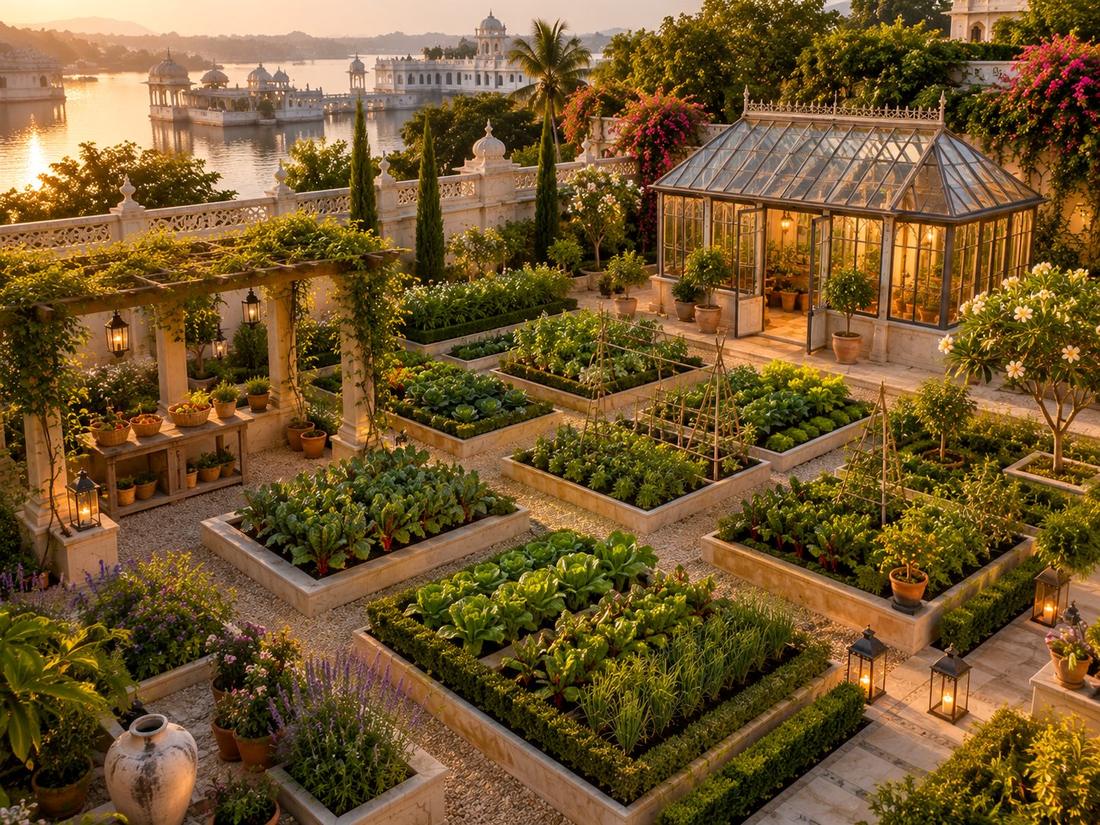
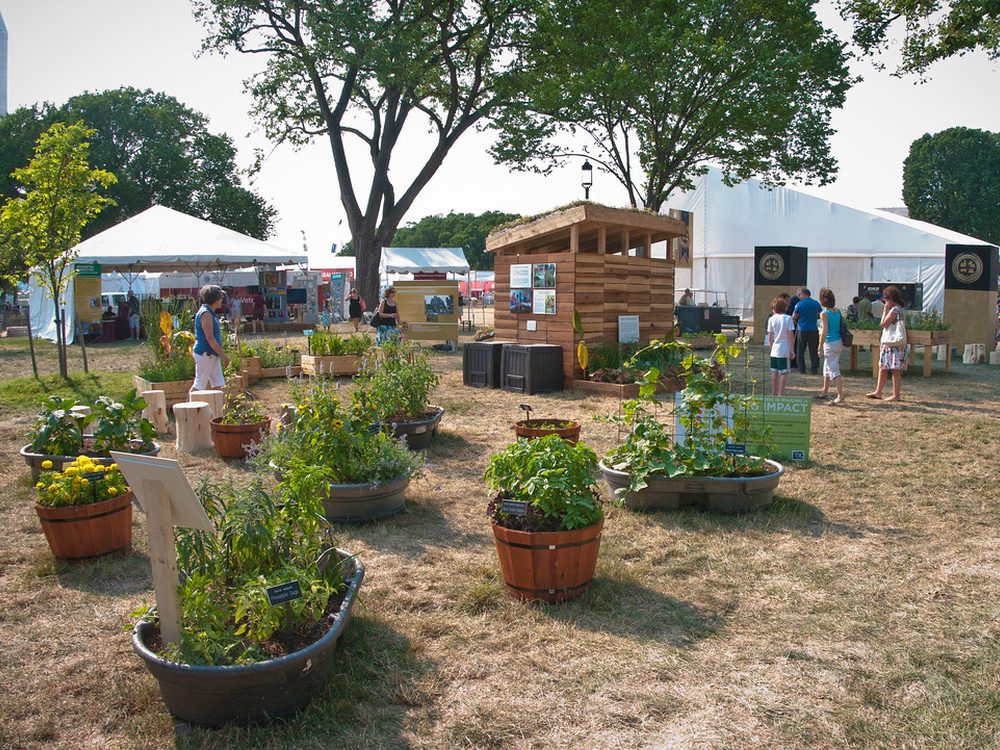
Ornamental where it is seen, productive where it counts — clipped beds built to the chef's brief.
Geometry holds the scheme; planting softens it. The older it gets, the more it looks inevitable.

of industry experience stand behind the studio. Ms. Singh leads a team whose specialists have delivered the gardens of five-star hotels across India — that depth is in every scheme we draw.
"We do one thing — soft landscape — and we do every part of it in-house, from the drawing to the pruning."
Nature's Touch was founded in Udaipur in 2015 with a narrow brief: to bring the rigour of a design practice to planting. Not hardscape, not construction — the living half of a landscape, held to the same standard as the architecture it sits beside.
The studio is led by a senior horticulturist and works only on soft landscape: composition, specimen selection, irrigation and the long stewardship that follows. Every scheme is drawn before it is dug, and maintained by the crew that planted it.
Before we draw, we read. A working board of historic and contemporary schemes — the geometry, the edges, the way light is used. Hover to see each in colour.
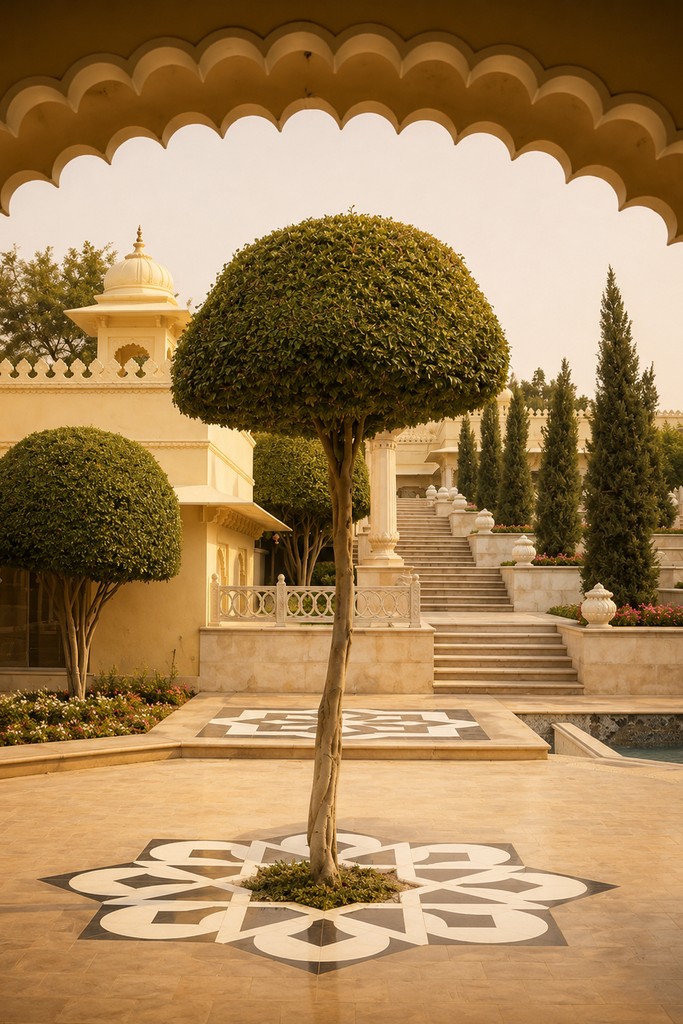
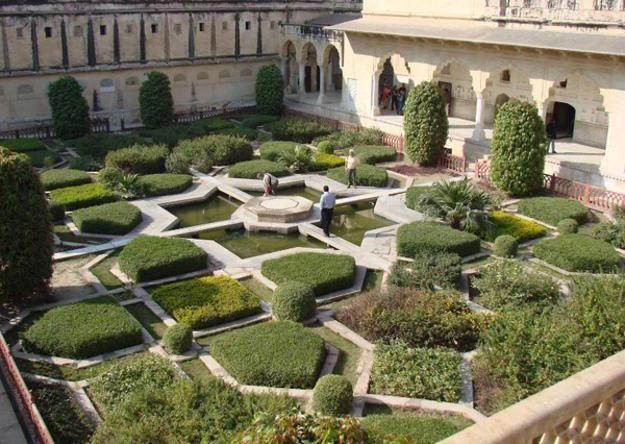

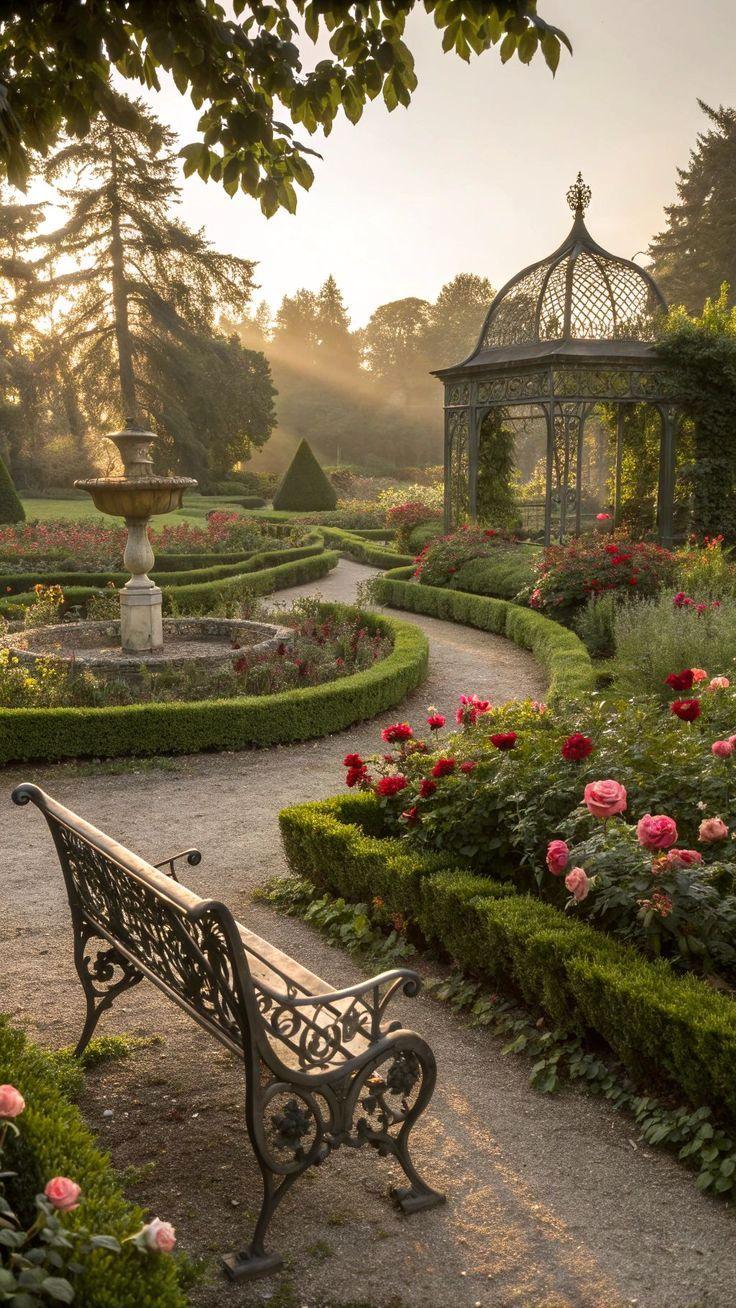
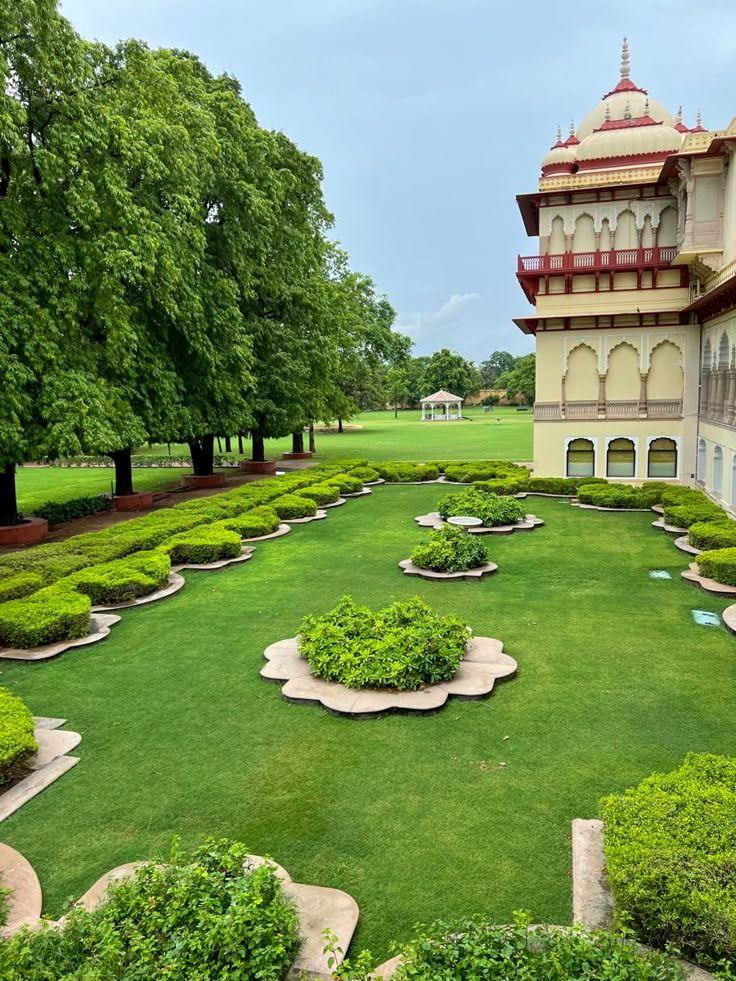


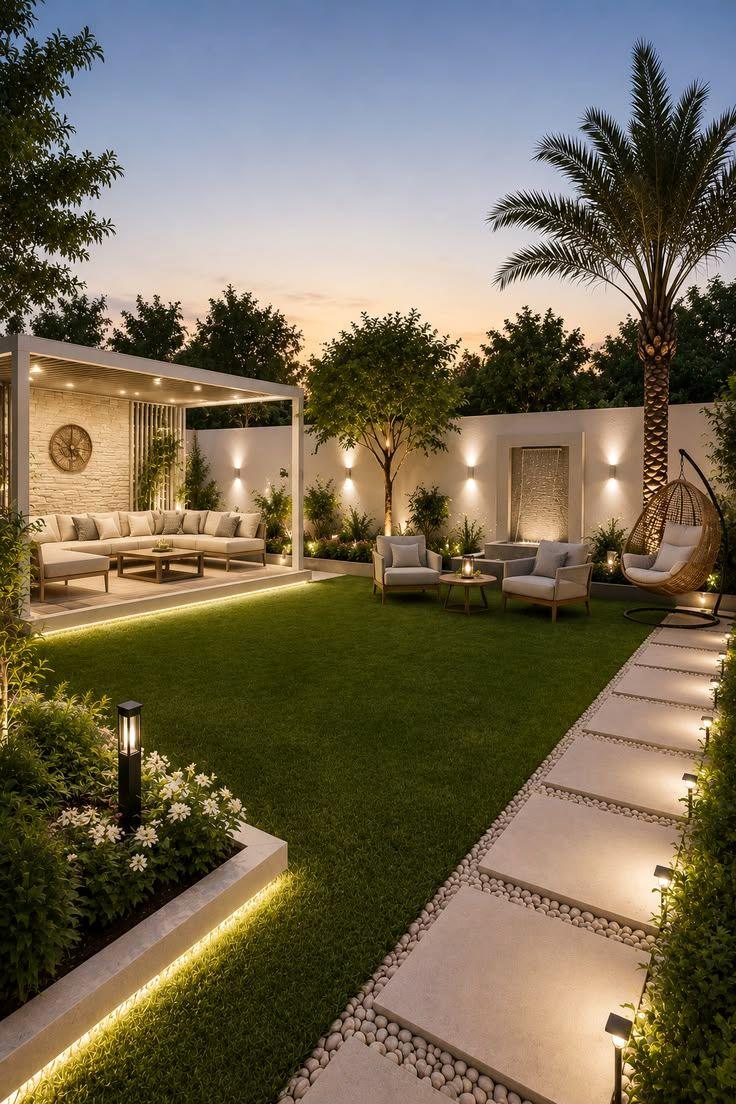
Reference imagery only. These are precedent studies of historic and contemporary gardens by others — not works by Nature's Touch. Our own built projects appear in Realisation.
Every garden begins as a drawing. Drag the handle to watch one scheme resolve from concept sketch into built, planted reality.
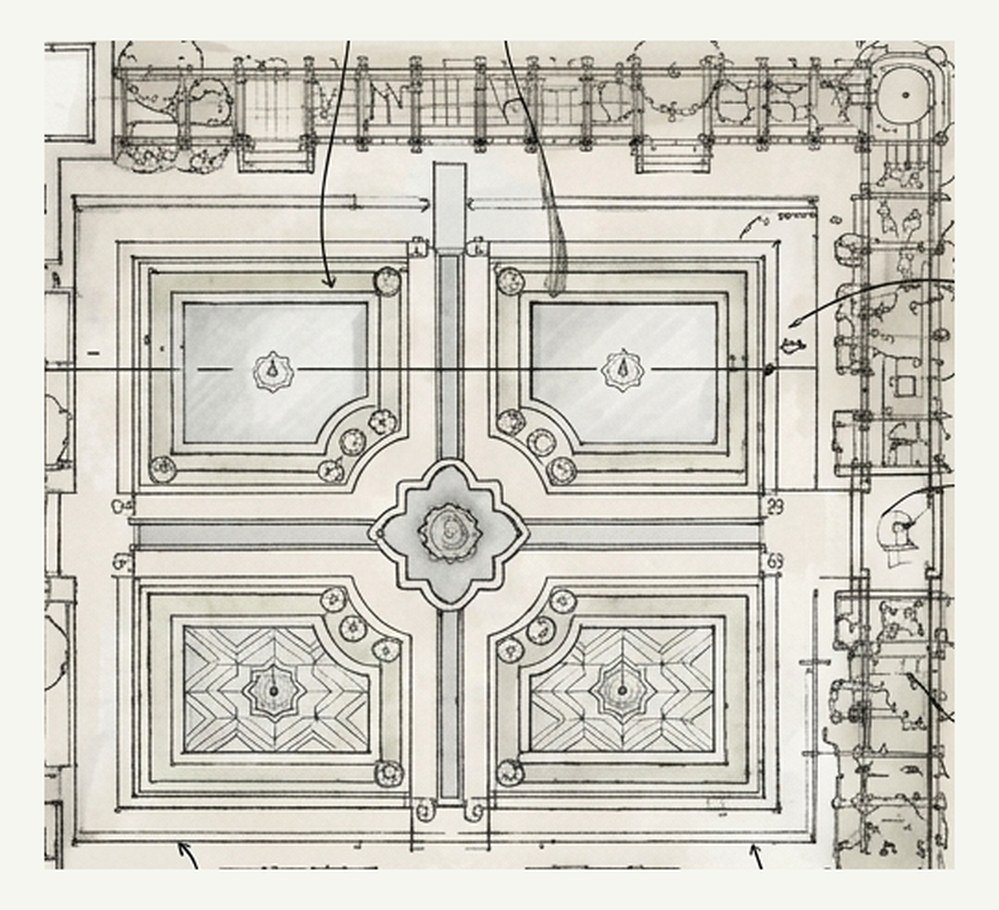
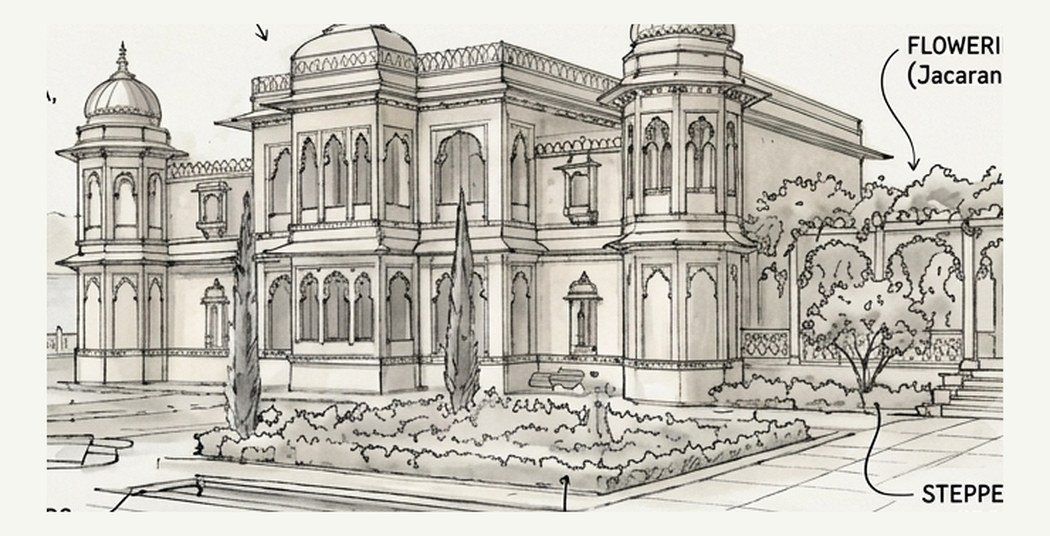
A scheme begins by hand — plan and elevation on one sheet, so the garden and the building are conceived together rather than one applied to the other.
Here the axis is set by a reflecting pool and held by a cypress allée, with the jharokha line of the palace carried into the stepped terraces of the elevation below. Rainwater is caught and returned to the pool. Hover a number to read the plan.
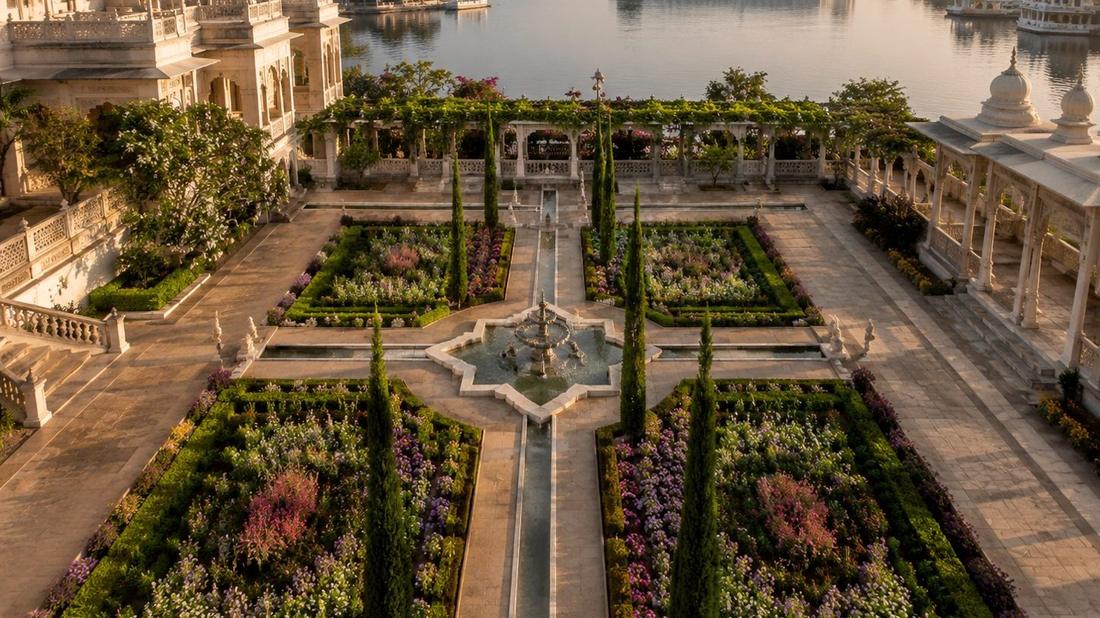

Hover any zone on the plan — or a line of the legend — to see that part of the scheme. Click the image to open it full size.

Four planted quadrants in the classical Rajput layout, divided by water. Seasonal colour is rotated bed by bed so the scheme never reads bare.
Trunk to twig, root to canopy — one specimen, drawn the way it establishes. Six metres of crown above, an equal reach of root below.
A garden is a living system — soil, biology, water, root and canopy, all interacting below and above the line. Watch one establish, layer by layer. This is how we design: against the science, in section.
This isn't decoration — it's the method behind every scheme, from the master plan to the maintenance calendar. It's the difference between a garden that photographs well on opening day and one still thriving in its tenth summer.
Soft landscape is a living system, not a surface. We build the soil, feed its biology, save every drop of water the climate allows, and choose planting that brings birds and butterflies back to the garden — so a scheme is alive on the day it opens and richer every year after.
One gram of healthy garden soil holds billions of organisms — bacteria, fungi, protozoa, nematodes and the earthworms you can see. This network cycles nutrients, binds the soil into stable crumbs that hold water, and crowds out disease. Protect it and the garden all but tends itself.
Every site is surveyed as a profile before a plant is chosen. From the humus of the O horizon down through topsoil, the leached E layer, the mineral B and C horizons to R bedrock — the sequence tells us how deep roots can reach, where water sits, and what the ground can carry.
Udaipur's ground runs shallow and stony, with bedrock close beneath. We plant to the profile we find, not the one we wish for — which is why the gardens hold.
Microbes break down dead matter and fix nitrogen into forms roots can take up.
They bind soil particles into stable aggregates that hold air and water.
A diverse microbial community crowds out and outcompetes harmful pathogens.
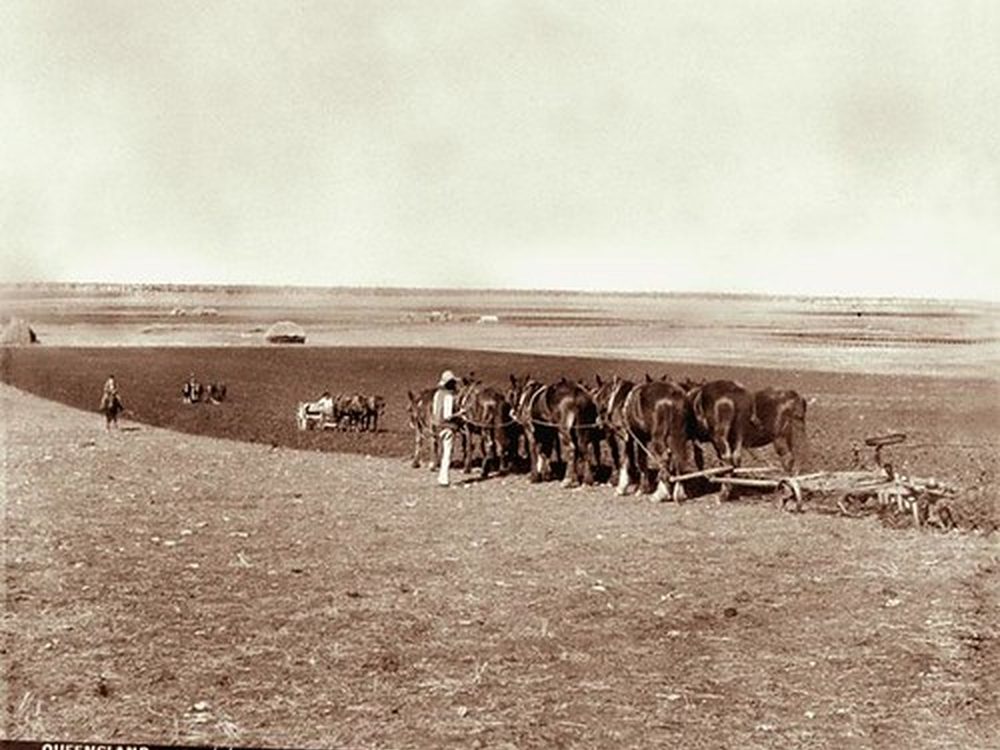
We disturb the soil as little as possible, so fungal networks and the structure that holds water stay intact.

Bare earth is kept covered — living groundcover or a 50–75 mm mulch — feeding the soil and holding moisture through the heat.
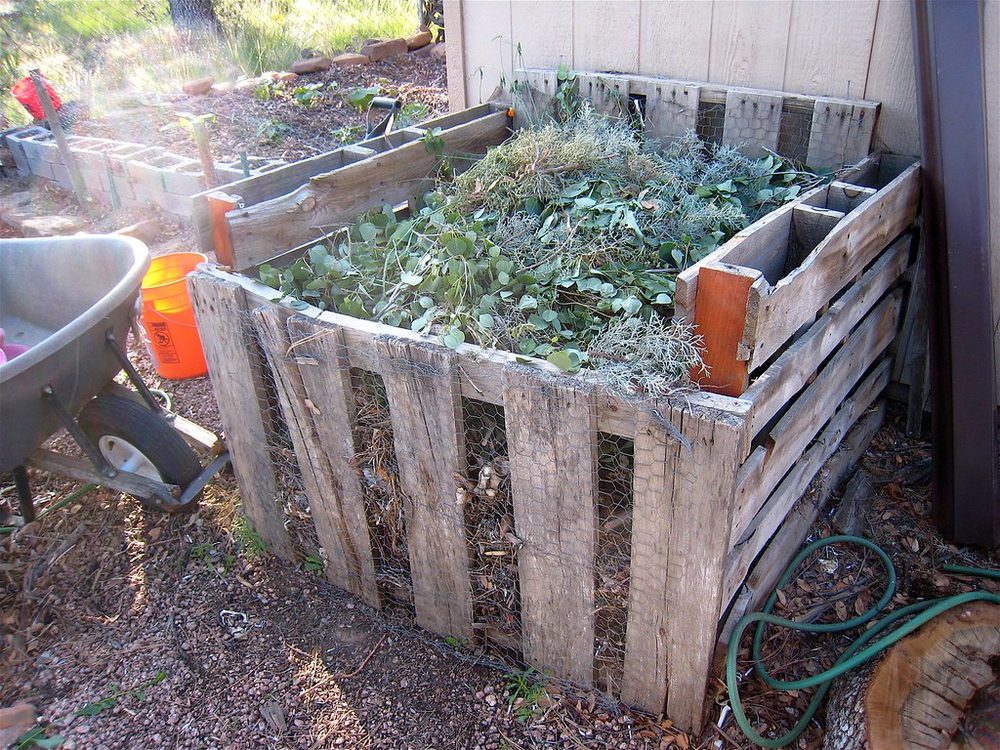
We feed the ground with organic compost rather than heavy synthetic fertiliser, keeping the microbial life diverse and fed.

Beneficial insects and microbes do the pest control. We reach for chemistry last, not first — never as routine.

Plants grouped by thirst — drought-tolerant planting out wide, thirstier beds held close and few.
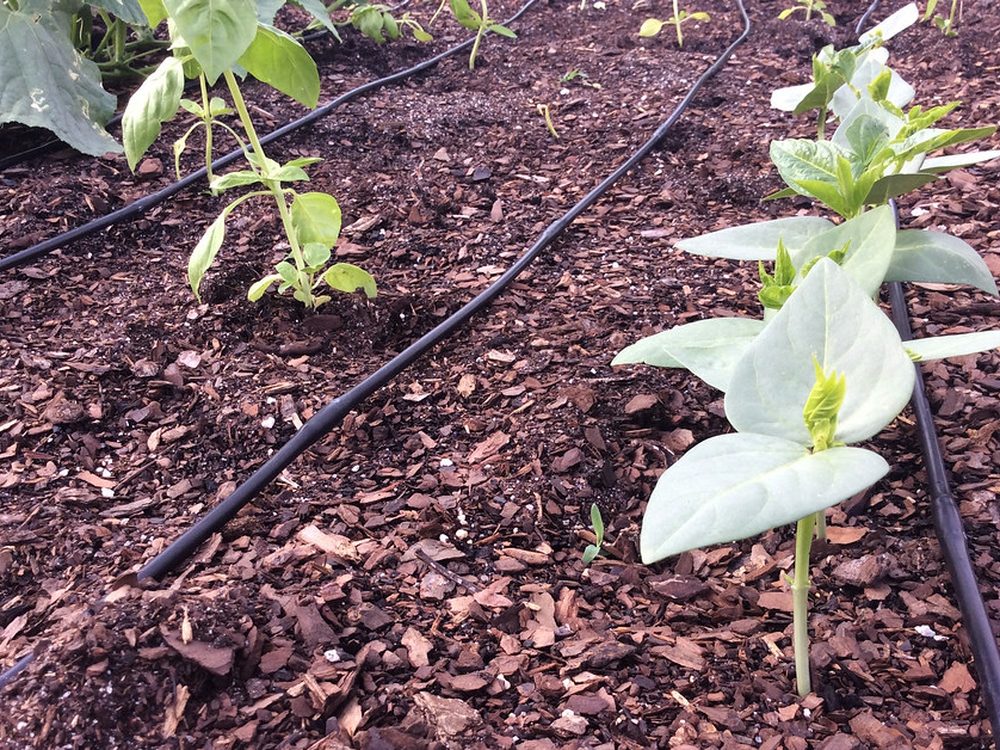
Sub-surface and drip lines feed water straight to the root zone; almost nothing is lost to the Udaipur sun.
Roof and hardscape run-off is caught and returned to the garden rather than sent to the drain.

A mulch blanket traps soil moisture; irrigation runs at first light, before the day can steal it.

Plants that belong to this climate thrive on natural rainfall and ask little once established.
Open-grid paving, gravel and stone let rain soak back into the earth instead of running off.

Raised beds and borders built from salvaged wood where the brief allows.

High-thirst turf swapped for groundcover, meadow and planting that works with the microclimate.
We compose a mix of open landing pads for butterflies and long-lasting seed heads for foraging birds. A sample of the palette we plant for wildlife value:
Legend High Medium Low · Palette adapts to each site's aspect, soil and water.
Rendered from the master plan before a spade touches soil, so a client sees the finished garden first. Design intent, not photography.
Smart, science-led work that makes your landscape thrive today — and holds it at opening-day standard for years.
We assess your ground and compose planting in layers — canopy, shrub, groundcover — chosen for India's light and soil.
View service →Layered plantingUnused terraces become usable garden floors — waterproofed, planted in lightweight media, engineered for load then designed for the view.
View service → Green floors overhead
Drip lines, emitters and zoned controllers deliver each plant exactly what it needs — the essential discipline in a desert climate.
View service →Water, to the dropOrnamental English potagers that supply the resort kitchen and delight the eye — clipped parterre beds, built to the chef's brief, kept organic.
View service →Leaf, root & herbScheduled horticulture — pruning, feeding, pest watch, replanting — by the same team that built the scheme, so standards never slip.
View service →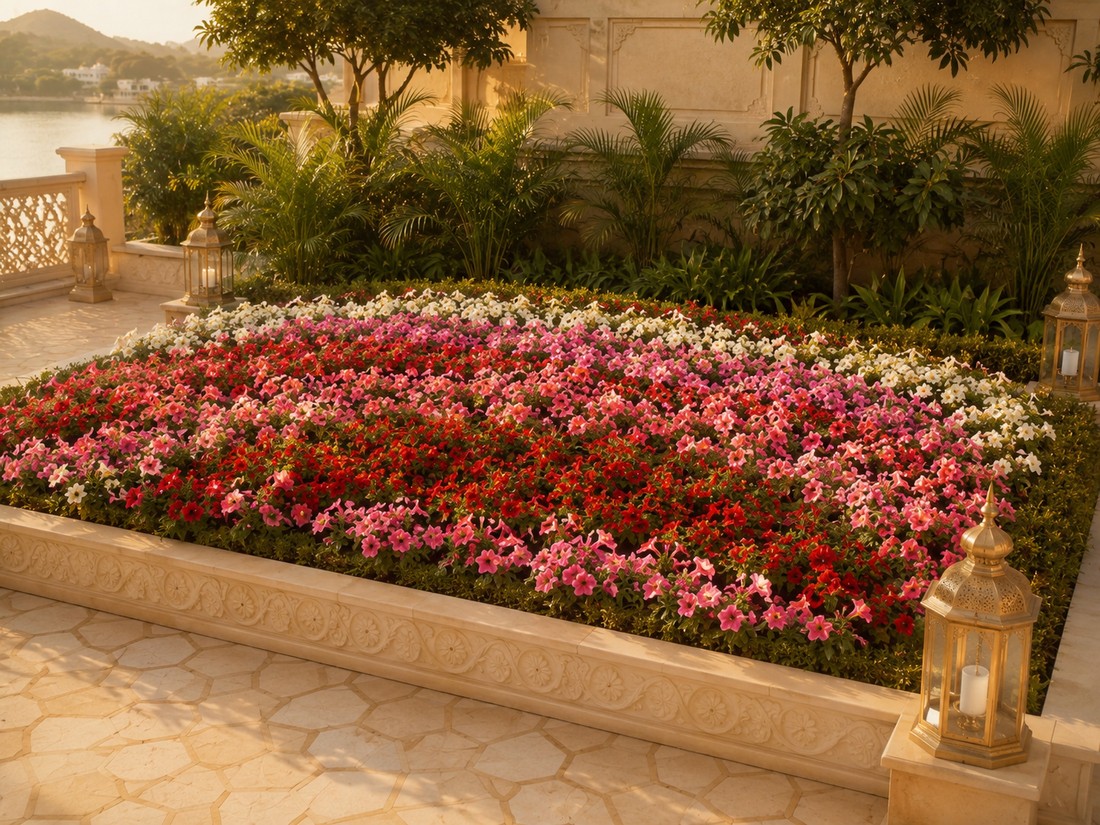 Kept at opening-day standard
Timber and steel pergolas dressed in climbers — shade, scent and a sense of arrival, grown in until the structure disappears.
View service → Structure, softened by flower
Gardens we have made across India's hotels, estates and lakeside terraces — photographed on site, in working season.

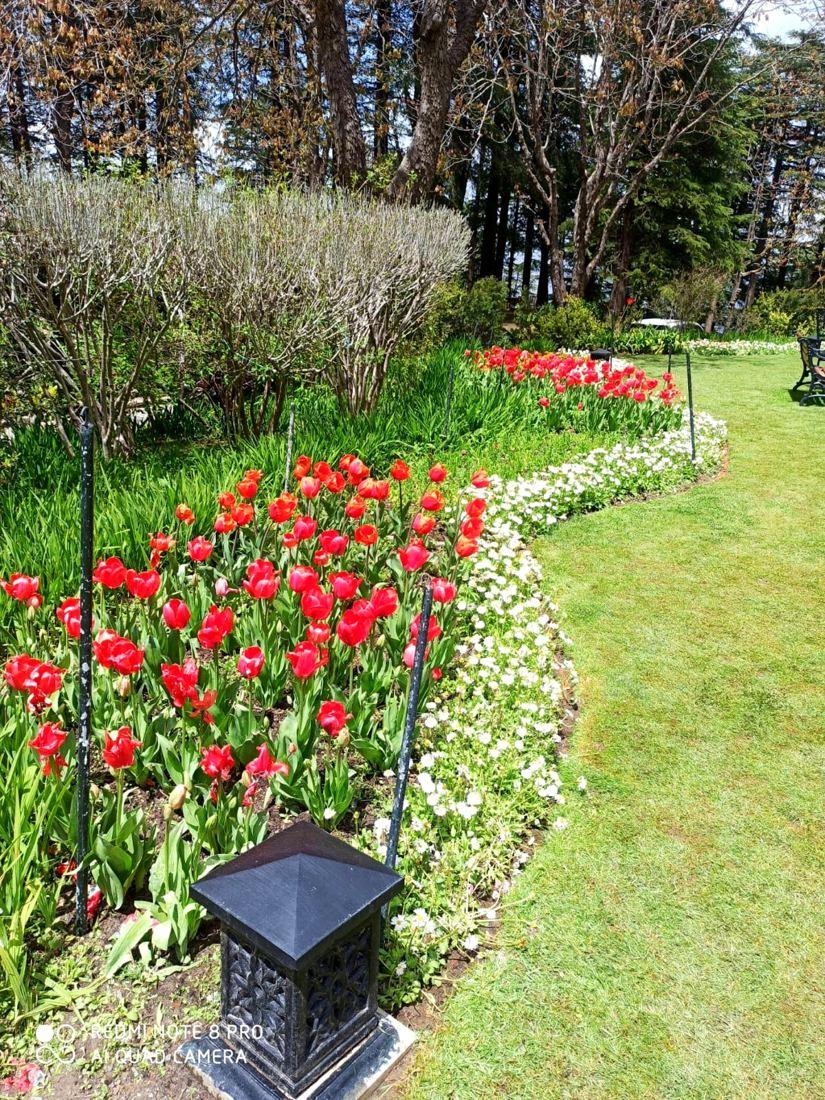
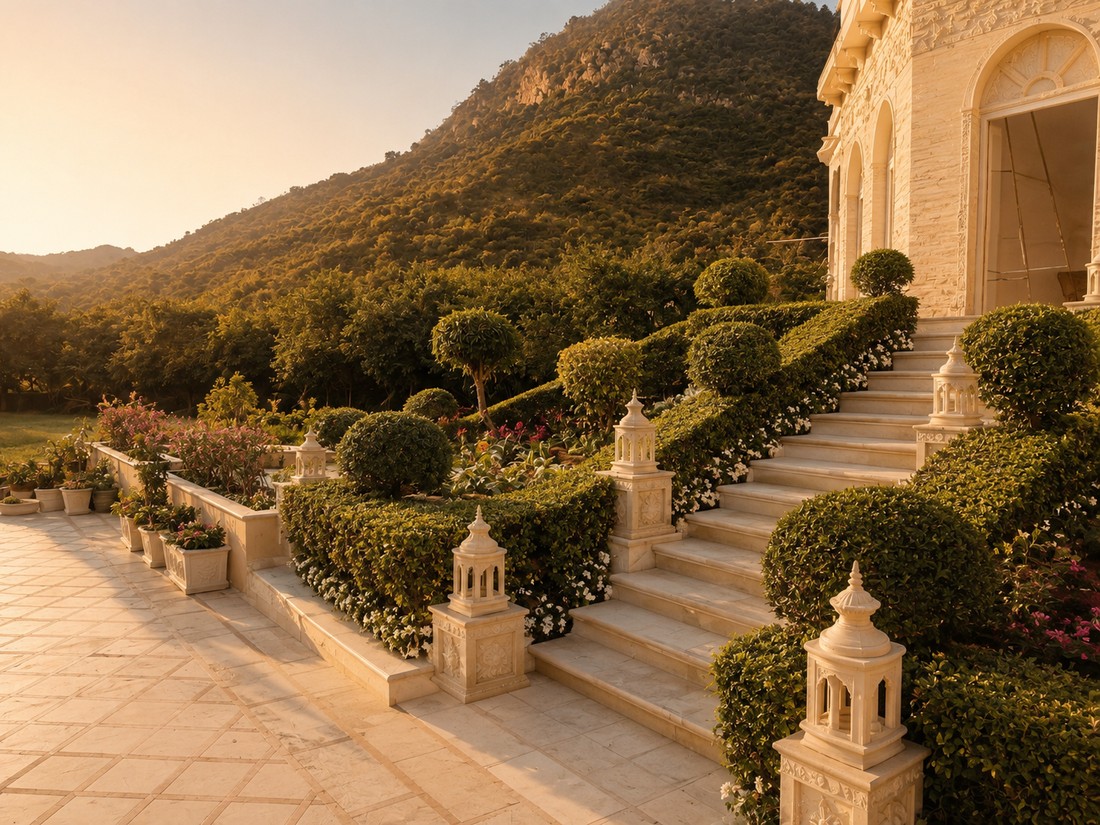
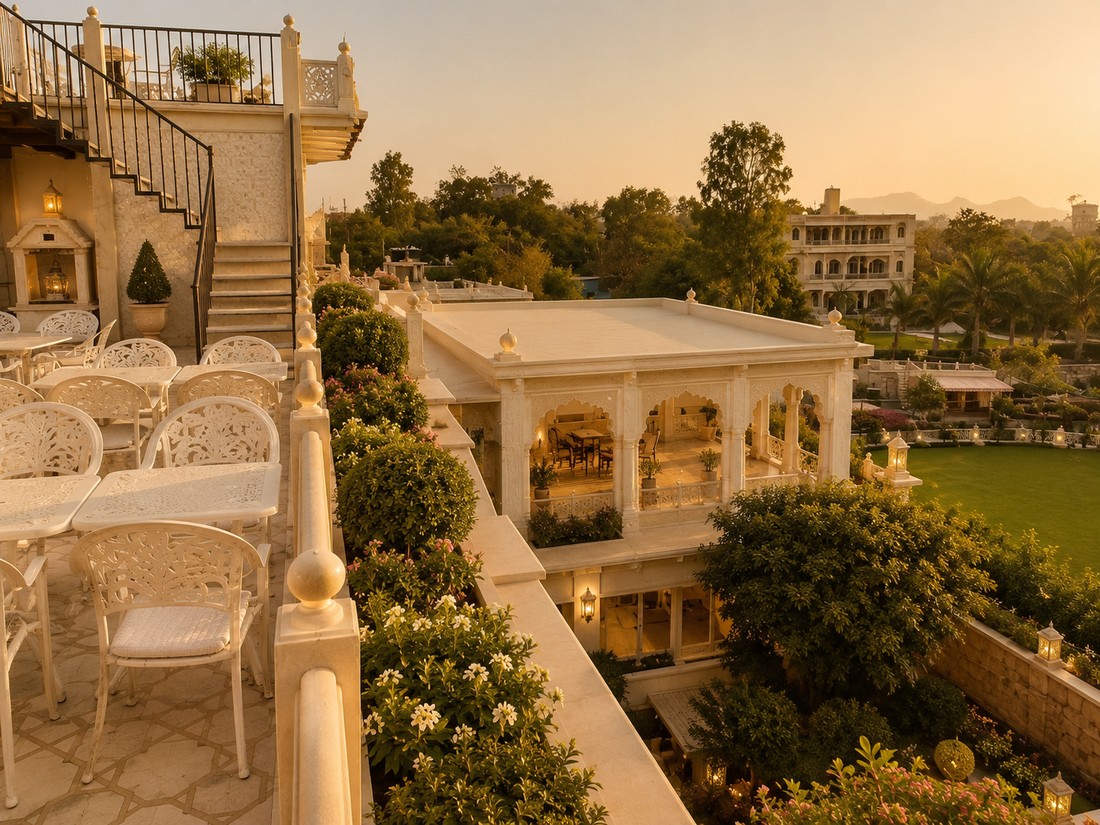
◇ Photographs of completed Nature's Touch projects. Sections 06–07 show design intent.




Nature's Touch© was built on a single conviction: that a garden is not decoration.
It is stewardship. Every soil turned, every root established, every season carried is a choice that shapes how a garden lives.
Tell us about the site and the season you're working towards. We'll arrange a survey and return a drawn master plan — the way every garden here begins.